From royal hills to riverfront boulevards
As your boat glides between Buda and Pest, you’re sailing through layers of history—Roman ruins, medieval fortresses, 19th‑century grandeur and 20th‑century scars—all quietly reflected in the Danube.
Table of Contents
From Buda and Pest to Budapest
Long before you step onto a cruise boat, the banks you’re about to sail between were home to two separate worlds. On one side of the river rose Buda, with its defensive hills, royal residences and winding cobbled streets that curled protectively around the slopes. On the other stretched Pest, flatter and more open, slowly transforming from flood‑prone fields and modest houses into a buzzing center of trade, crafts and culture. Fishermen launched their boats at dawn, merchants watched the water for arriving barges, and toll collectors and customs officers lined the quays. For centuries, ferries and small wooden boats shuttled people, animals, carts and rumors between these parallel lives, long before iron bridges stitched them together into a single daily commute.
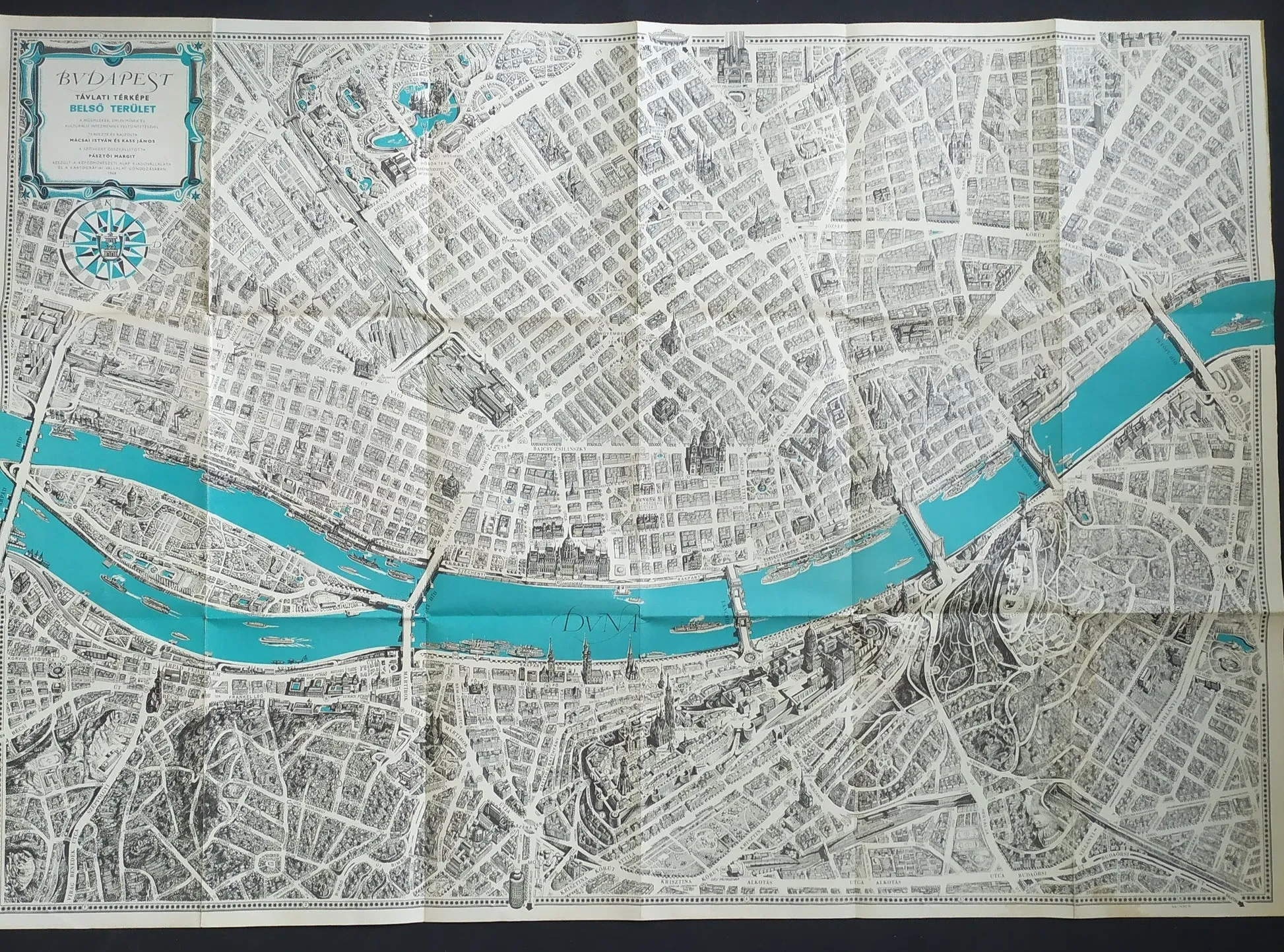
In the 19th century, as the Austro‑Hungarian Empire modernized, engineers, architects and city planners looked at the Danube and saw not a boundary but a backbone waiting to be straightened and framed. Grand avenues were laid out in Pest, new quays were constructed to tame floods and create elegant promenades, and stately townhouses rose where warehouses and muddy banks had stood. In 1873, Buda, Pest and Óbuda were officially joined into one city: Budapest, a name that still carries an echo of those separate identities. Each time your cruise boat rounds a bend and you see both banks at once, you’re looking at this marriage of two characters—hilly and flat, old and new, introspective and bustling—caught in a single reflection on the water, still gently negotiating with each other in the flicker of every wave.
Castle Hill, riverside palaces & royal views
High above the water, Buda Castle has watched the Danube for centuries, its courtyards and wings expanding and contracting like a living organism as rulers, wars and fashions changed. From the deck of your boat, it seems to float above the houses below, linked by funiculars, old stone staircases and winding roads that thread up the hillside. Behind those walls, medieval Hungarian kings once held court and received foreign envoys; later, Habsburg rulers transformed parts of the complex into a Baroque residence meant to signal imperial power. In the 20th century, bombardments and fires tore into the castle yet again, but each restoration—controversial and evolving—has tried in its own way to preserve the fortress’s long, unmistakable outline above the river.
Nearby, the delicate towers of Matthias Church and the arches of Fisherman’s Bastion crown the hill with almost story‑book grace, their pale stone catching the light at every hour of the day. When you see them from the river—especially at night, when they are lit in warm gold against the darker hillside—it’s easy to imagine medieval markets taking place beneath their walls, coronation processions weaving their way through cheering crowds, and watchmen scanning the dark for the lanterns of approaching boats. Today, the main vessels they see are sightseeing cruises and commuter ferries, but the sense of watching over the Danube remains; your ship is just the latest chapter in a very long sequence of arrivals and departures.
Markets, river trade & everyday life on the banks
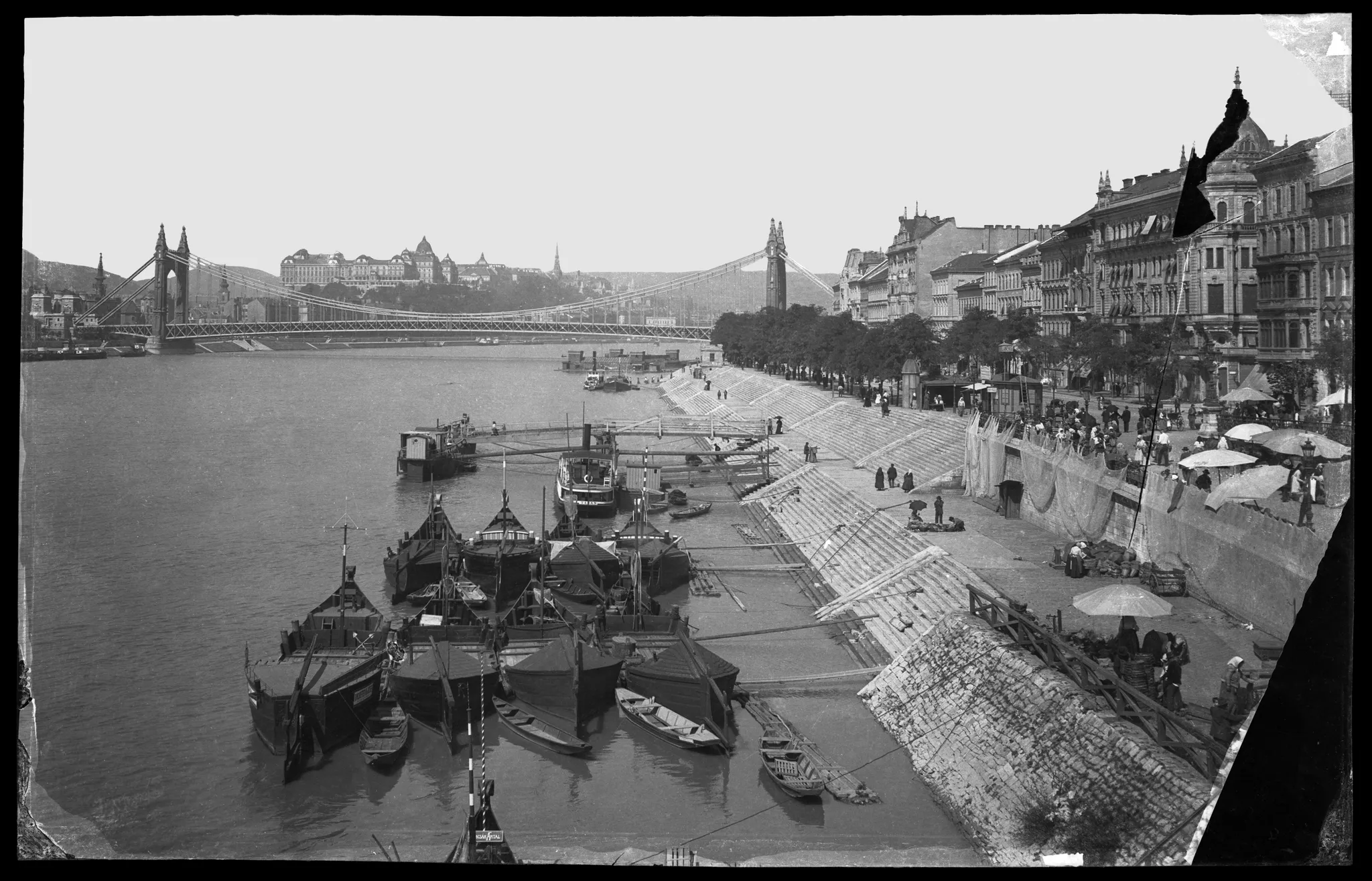
For centuries, the Danube has been Budapest’s busiest street and its most reliable highway. Long before railways and highways carved lines through the countryside, goods floated along the river: grain and wine from the countryside, timber from the north, salt and spices from far‑off lands brought by merchants who spoke a patchwork of languages. Unloaded at simple jetties or bustling quays, these cargos fed riverside markets that buzzed with traders shouting prices, horses pulling carts, boatmen coiling ropes and the smell of fresh bread, fish and fruit mingling with tar and river mud.
From your boat today, you’ll see echoes of that trading life in the Great Market Hall near Liberty Bridge, whose red‑brick façade and iron roof still shelter stalls piled high with produce, paprika and cured meats. Along the embankments, a steady procession of trams, commuters and delivery vans has replaced ox‑drawn carts, yet the rhythm feels familiar: goods and people moving parallel to the water, always in motion. Modern office towers and hotels now share space with old warehouses and customs houses, many converted into cultural venues, apartments or restaurants. The river has changed its merchandise—from sacks of grain to streams of visitors with cameras and coffee cups—but it remains the artery down which the city’s daily life quietly flows, morning to night.
Bridges that stitched the city together
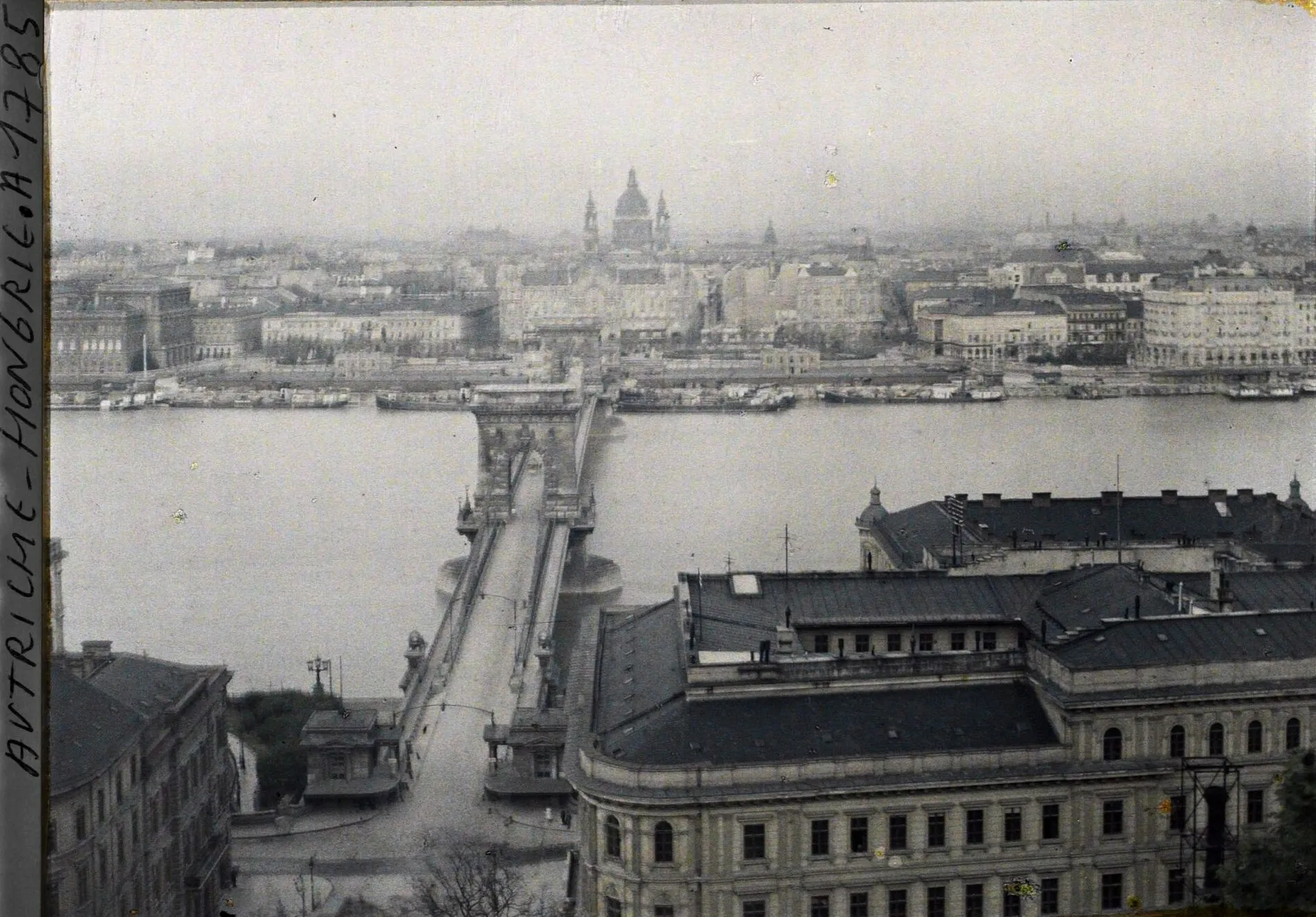
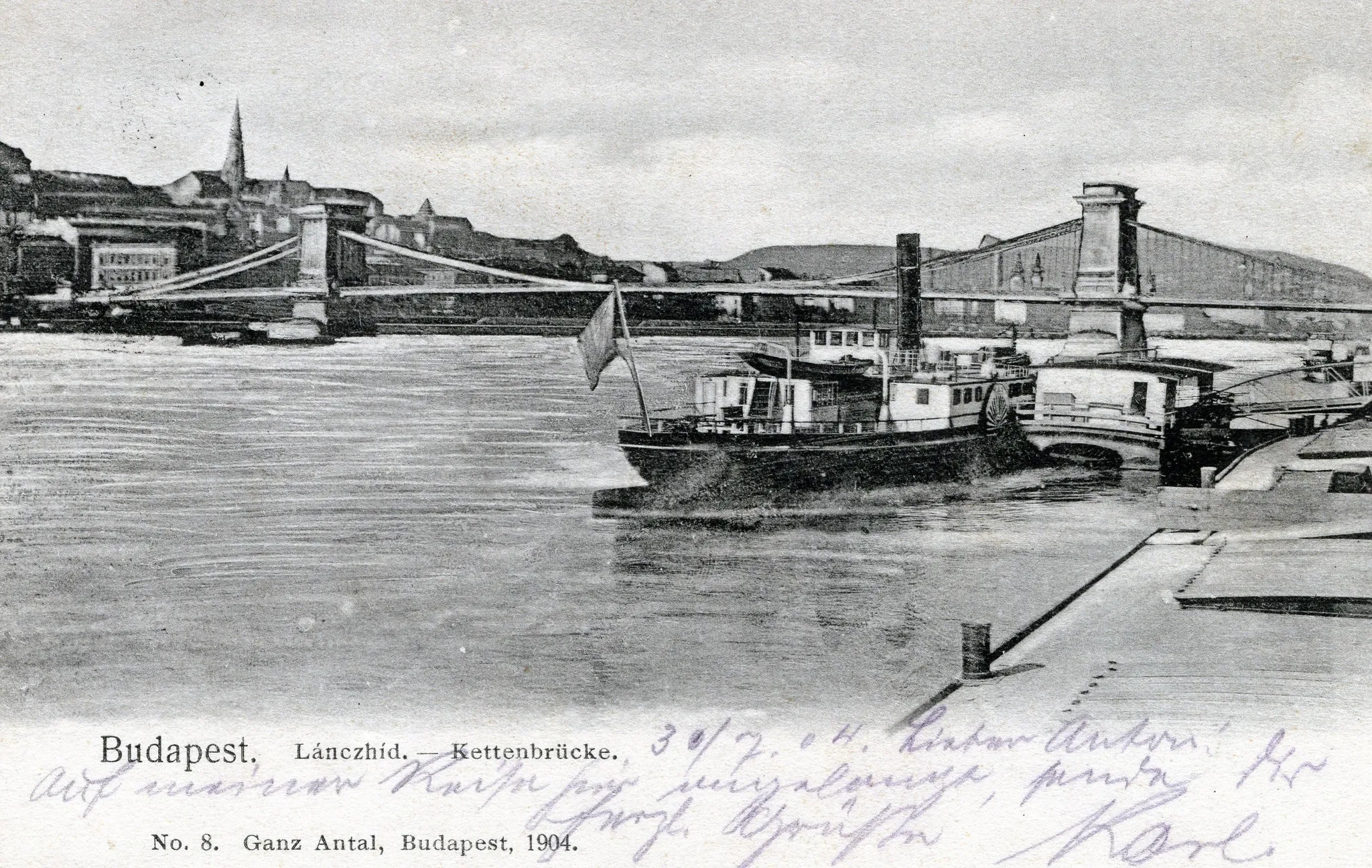
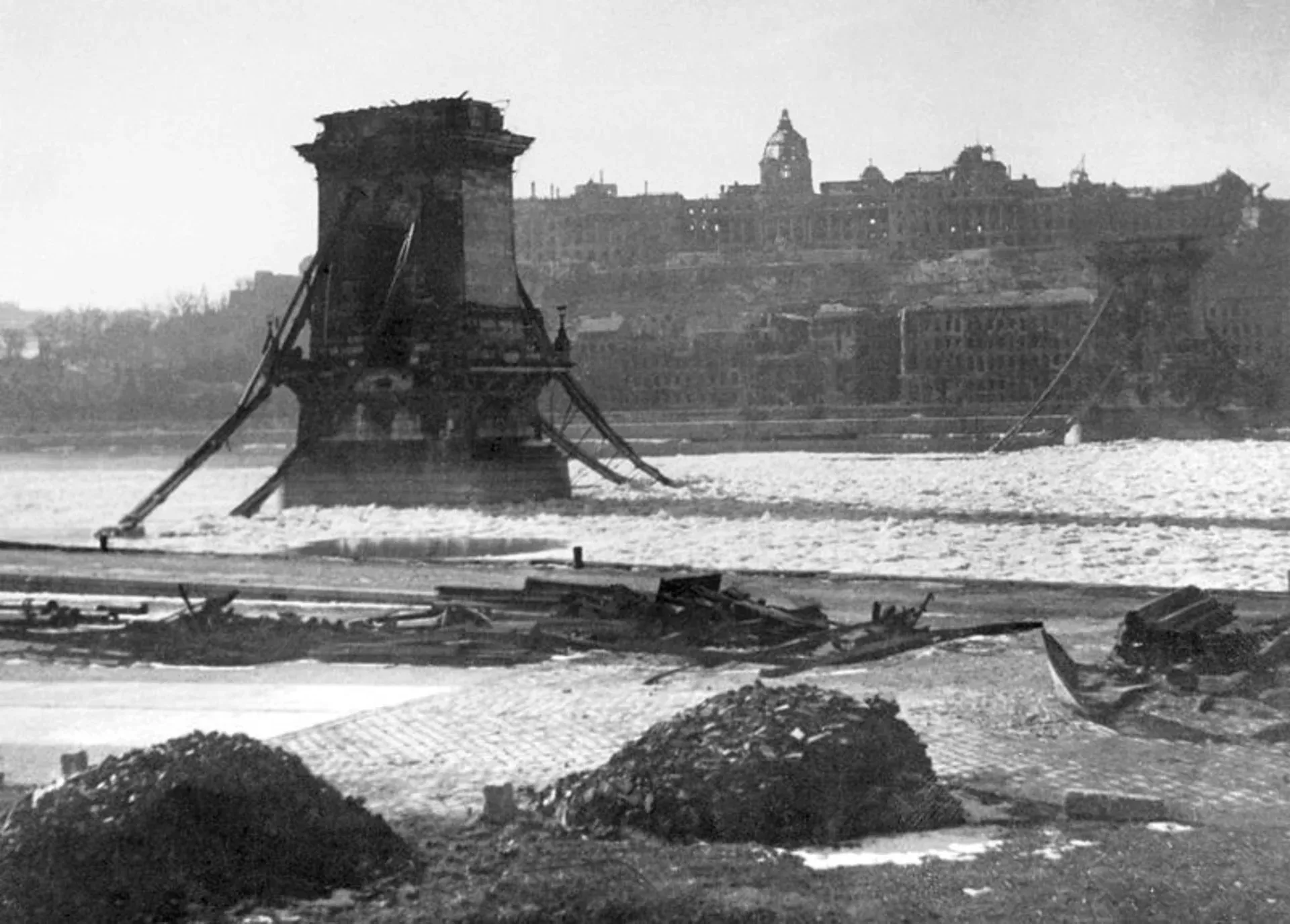
Floating under Budapest’s bridges, you’re passing beneath some of the most symbolic pieces of engineering in Central Europe. The Chain Bridge, completed in 1849 after years of debate and daring construction, was the first permanent bridge to link Buda and Pest. Its chains, stone lions and broad roadway transformed winter crossings from risky ice floes and temporary pontoon bridges into a year‑round connection. The bridge did more than shorten journeys; it helped turn two riverside towns into a single, growing metropolis, and quickly became a visual shorthand for the city itself.
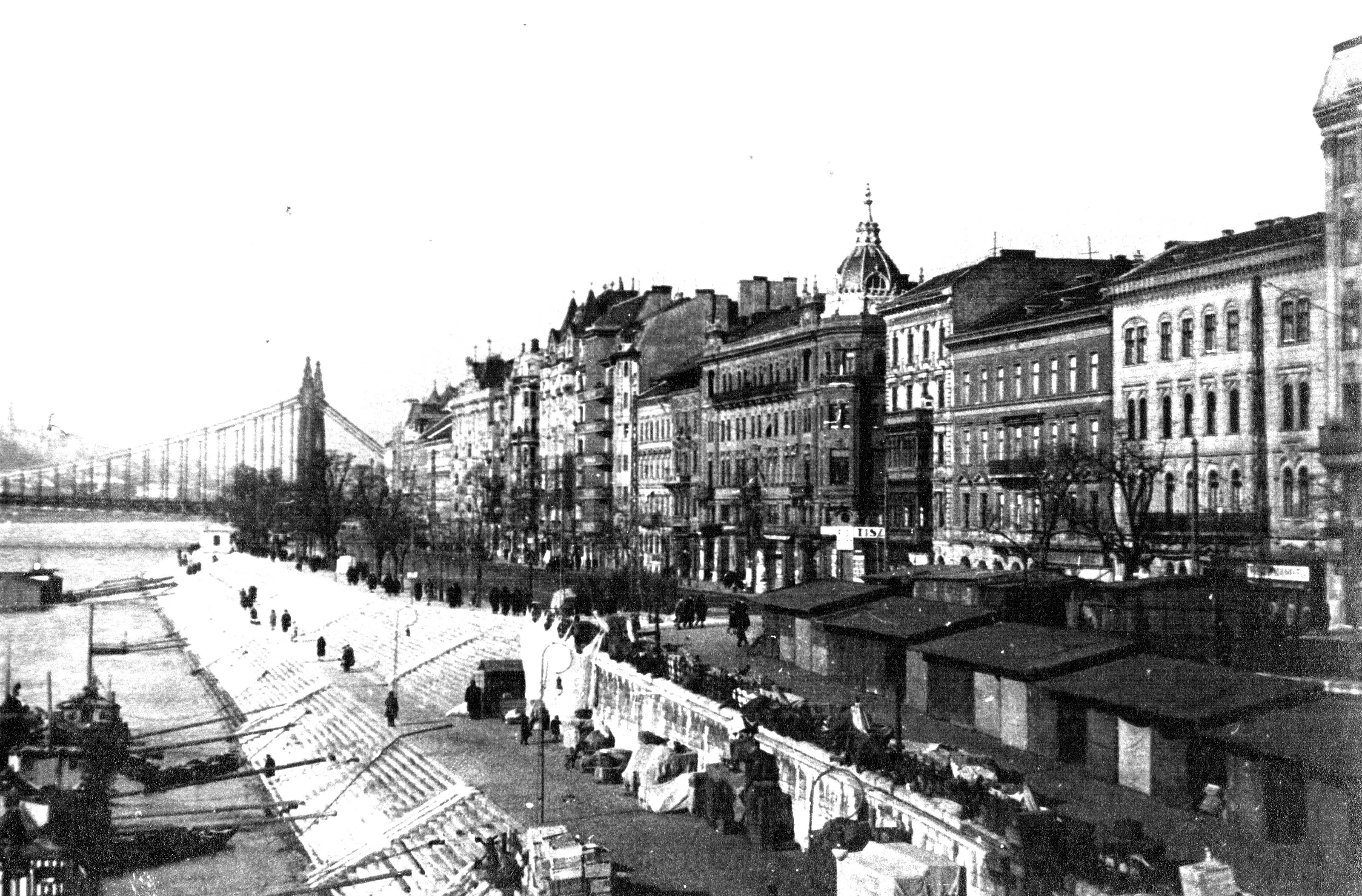
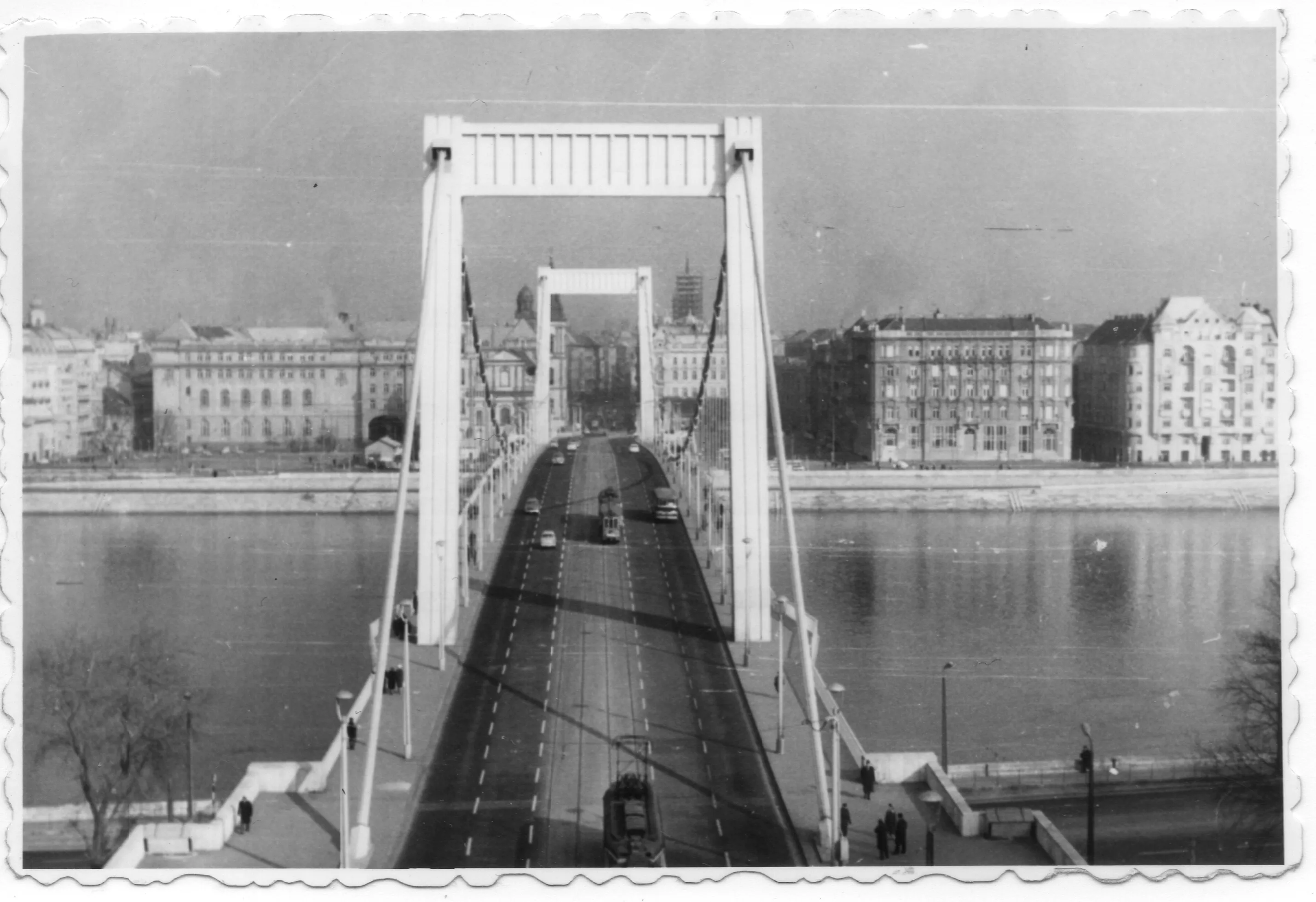
Later bridges each added their own character and story: Margaret Bridge curving gently toward the green stillness of Margaret Island; Liberty Bridge with its green iron lattice, playful decoration and mythic turul birds perched on top; Elizabeth Bridge stretching in an elegant white arc, a modern line against the older skyline. All were destroyed during World War II, when retreating forces blew them up and the city was suddenly forced back to ferries and temporary crossings. In the years that followed, engineers and workers painstakingly rebuilt span after span, often using fragments of the old structures as foundations for the new. When your cruise boat glides beneath them today, it passes under both 19th‑century ambition and 20th‑century resilience, woven together in steel, stone and memory.
Parliament, embankments & a new capital
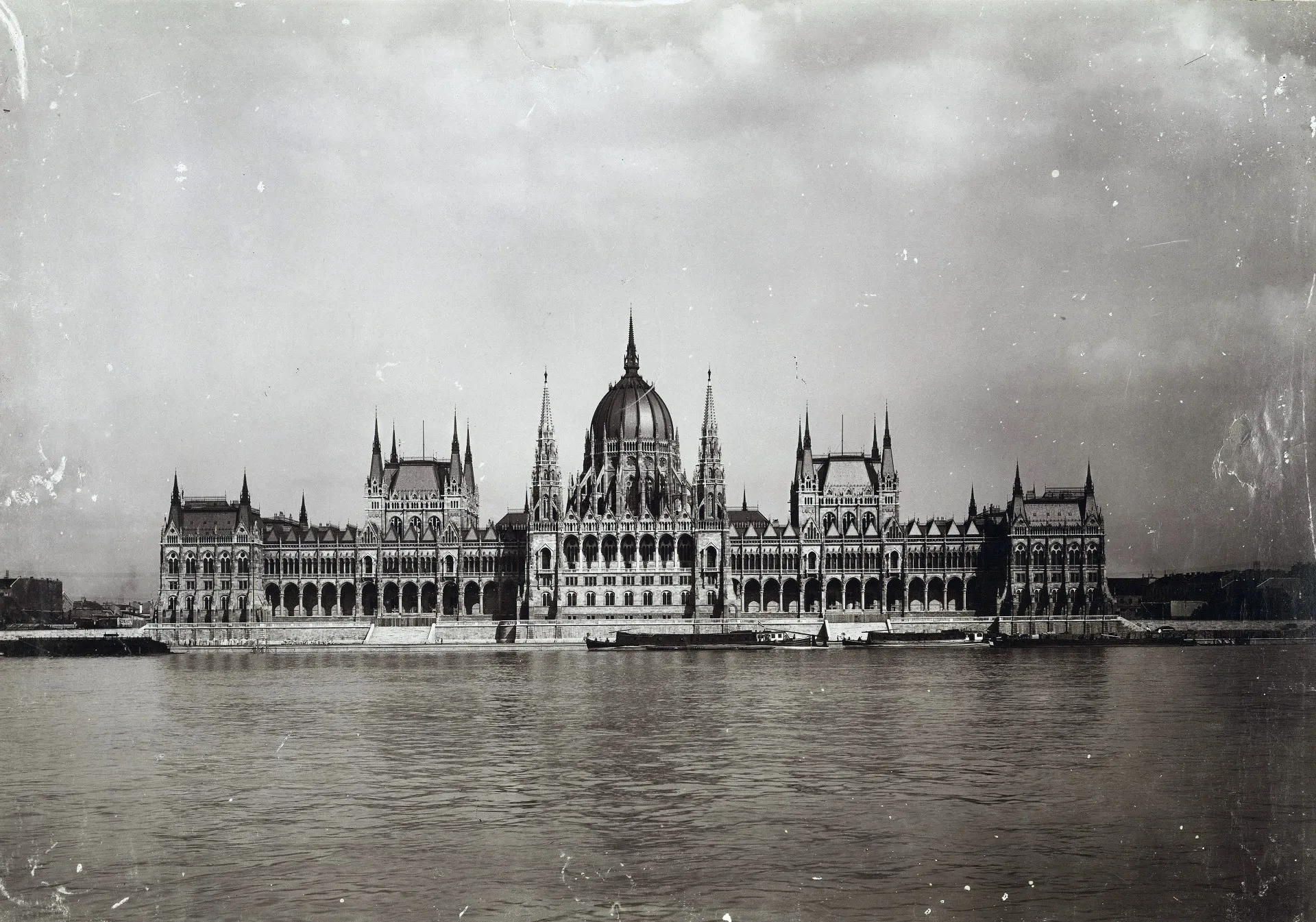
Perhaps the most striking sight on a Danube cruise is the Hungarian Parliament Building, its forest of spires and arches mirrored almost perfectly in the river below when the water is calm. Completed at the dawn of the 20th century after a grand architectural competition, this neo‑Gothic palace was built as a statement carved in stone: that Budapest was not just a provincial town, but a modern capital worthy of standing alongside Vienna and other European centers. Its interior corridors, stained glass windows and grand staircase speak of a time when politics was also theatre, and the riverfront façade remains the grand stage set facing the water.
The riverfront embankments around it, lined with stone walls, steps and promenades, were part of a vast modernization project that both protected the city from floods and reimagined the Danube as a place for leisure, not just labor. Today, joggers trace their routes along these paths, couples lean on the railings to watch the current, families pause with ice creams and office workers take their lunch breaks on benches overlooking the water. From your boat, the scene can look almost theatrical: Parliament as the luminous backdrop, bridges as stage wings, and everyday life playing out in hundreds of small, unscripted moments along the banks.
Thermal waters, spas & café culture
Budapest’s story is not only written in stone and politics, but in water. Deep beneath the ground, hot springs rise and feed the famous thermal baths that have drawn visitors for centuries, from Roman soldiers in ancient Aquincum to Ottoman officials in steam‑filled domes and 19th‑century citizens seeking both cures and conversation. As your boat sails past Gellért Hill, you might spot the elegant façade of the Gellért Baths, whose Art Nouveau details hide a series of pools and saunas where everyone from local residents to travelers stepping off long train journeys have soaked, floated and swapped stories.
On the Pest side, grand cafés grew up along nearby boulevards, where writers, architects, journalists and students once debated ideas over strong coffee, newspaper columns and delicate cakes that became famous in their own right. Although many interiors and names have changed with the times, the city’s habit of lingering over a drink while watching the river has survived every political era. In a way, your cruise is a floating version of that ritual: a chance to sit, sip and let Budapest’s details reveal themselves slowly, one bend in the river at a time, without needing to hurry anywhere else.
Wars, revolutions & a river that remembers
The Danube you see today is calm, but it has witnessed turbulent decades and sudden violence. In the 20th century, Budapest endured two world wars, shifting borders, occupations and a revolution. Bridges were blown up, buildings shelled and river traffic disrupted as front lines moved back and forth and regimes changed. In 1956, during the Hungarian Uprising against Soviet‑backed rule, some of the fiercest clashes took place near the river and its key intersections, where protesters, tanks and makeshift barricades briefly reshaped the city’s streets and silence fell only when gunfire did.
Much of that damage has been repaired or rebuilt, and new generations have grown up knowing the Danube more as a backdrop for festivals than as a strategic corridor. Yet the river still holds the memory in subtle ways. When your boat drifts past certain stretches of embankment, it floats over spots where improvised ferries once evacuated civilians, where soldiers crossed under darkness, or where families watched anxiously for news from the other side. Today, the loudest sounds are tour guide microphones, camera shutters and the soft clink of glasses on dinner cruises, but the knowledge that this same water once reflected burning buildings and searchlights adds a quiet depth to the glittering surface.
Memorials, shoes & silent stories by the water
One of the most moving sites along the Danube in Budapest is the Shoes on the Danube Bank memorial, a line of cast‑iron shoes set on the edge of the embankment near Parliament. They represent the real shoes that victims were forced to remove before being shot into the river during the darkest days of World War II, when members of the Arrow Cross militia turned the Danube into a silent execution ground. Men, women and children stood facing the water in their final moments, and the river carried their bodies away.
While your cruise may not pause directly in front of the memorial, knowing it is there changes how you look at this stretch of water. From the boat, you may glimpse people standing quietly by the rails, placing pebbles, flowers or small candles among the shoes, or simply bowing their heads for a moment. It’s a reminder that the river, for all its beauty, is also a witness and, in some ways, a grave. Enjoying the view does not erase what happened here—but by acknowledging it, reading a plaque, or later walking back to visit in person, visitors become part of a long chain of remembrance that helps keep these stories alive.
Festivals, lights & nightly rituals on the Danube
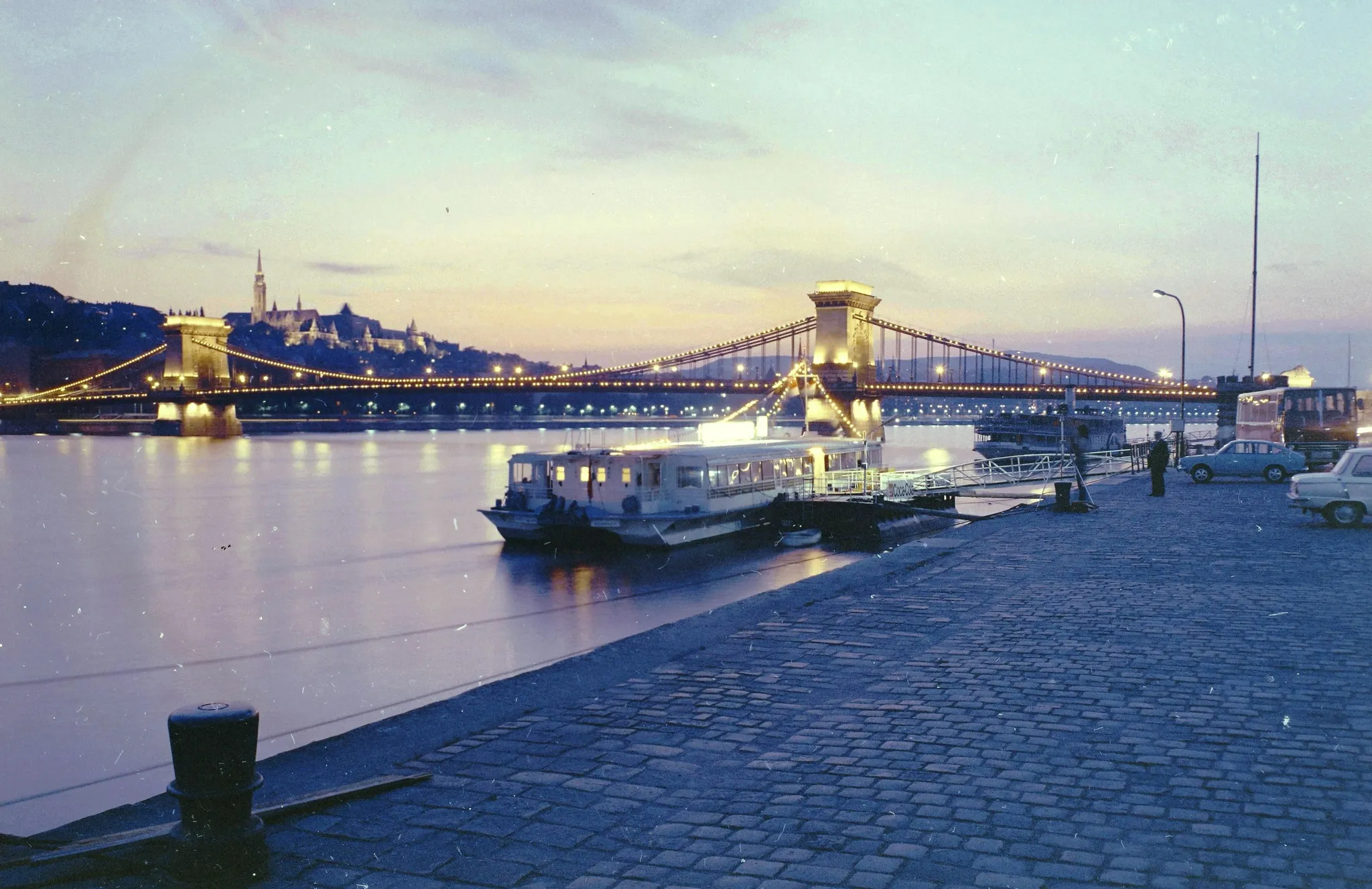
Depending on when you visit, your boat may share the river with everything from quiet private yachts to music ships, party boats and festival barges. In summer, open‑air concerts, national holidays and cultural events often spill down to the embankments, where stages, food stalls and light installations transform the waterfront into a continuous celebration that you can observe in one slow, sweeping glance from the deck.
Even on ordinary evenings with no major event, there is a gentle ritual to the riverfront: locals taking slow walks after dinner, couples pausing on bridges to watch the current, groups of friends sitting on the steps with takeaway drinks, and joggers pacing themselves by the rhythm of the streetlamps reflected in the water. You might glimpse someone quietly fishing from the bank while, a little further along, children cycle in circles around their parents. Your cruise sails through this shared nightly rhythm, letting you witness it from a slightly removed, almost dream‑like vantage point, as if the city were putting on a casual dress rehearsal just for you.
Tickets, passes & planning your cruise
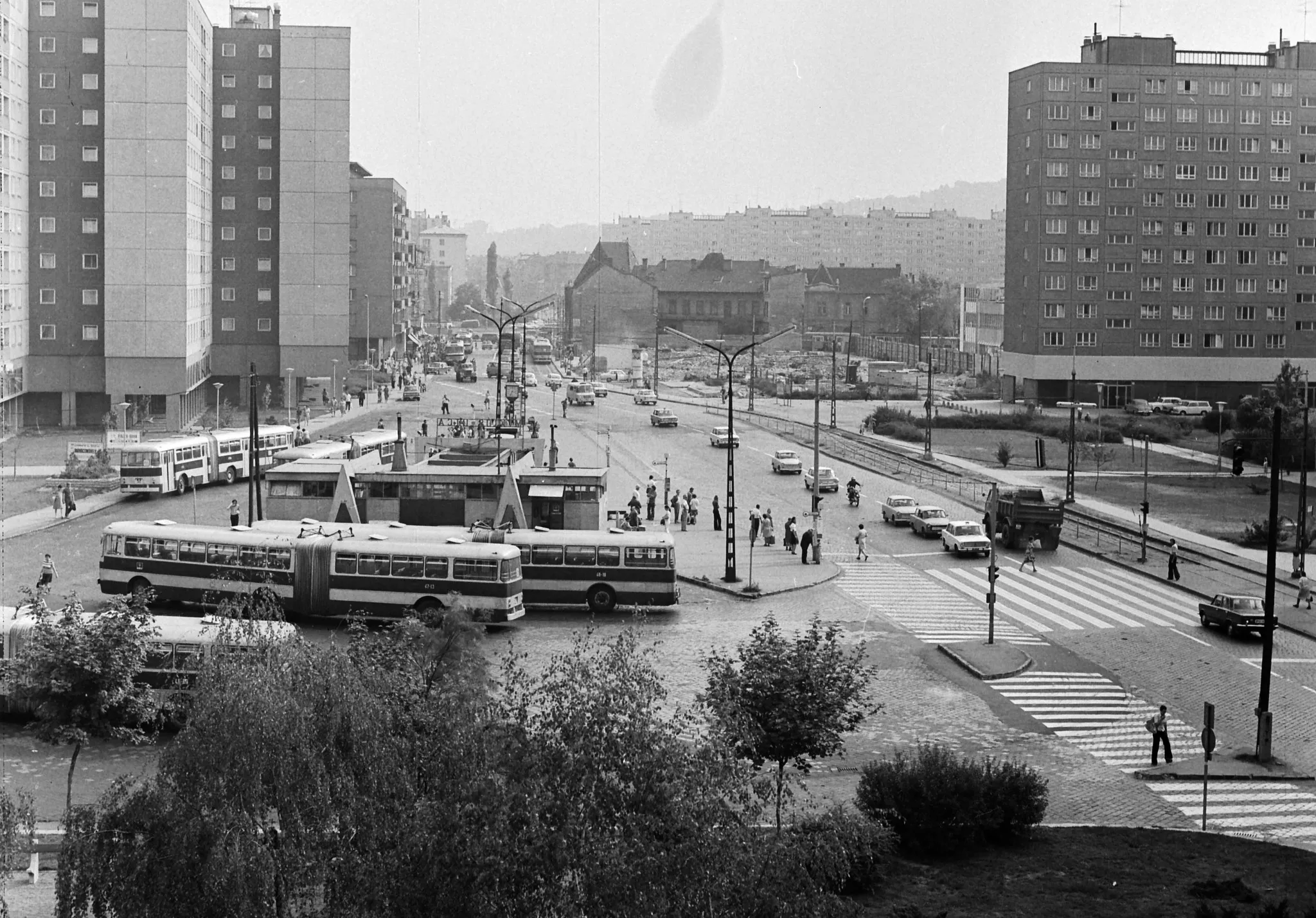
With so many operators and departure times, planning your Danube cruise can feel like browsing an unexpectedly rich menu, where every option sounds tempting in a slightly different way. Some tickets are simple: one fixed‑time sightseeing loop with an optional welcome drink and recorded commentary. Others bundle in extras such as live folk music, multi‑course meals, wine or craft‑beer tastings, dessert buffets, or guaranteed window seating. Taking a few quiet minutes to read through the small print—what’s included, how long you’ll be on board, where the pier is—pays off later when you can relax knowing there will be no surprises except the good ones.
If you have only a short time in Budapest, you might lean toward a compact one‑hour cruise that fits neatly between other plans and still gives you a full panorama of the main sights. If you’re staying longer, a leisurely dinner sailing, a late‑night lights cruise or a combined river‑and‑city tour can turn an ordinary evening into the centerpiece of your whole trip. Whichever you choose, think about the time of year, sunset hours, your own energy levels and whether you prefer quiet observation or a livelier atmosphere with music. Planning ahead means you can arrive at the pier unhurried, ticket ready, with enough time to find a good spot and let anticipation build as the boat gently pulls away from the dock.
Preserving the riverfront for future generations
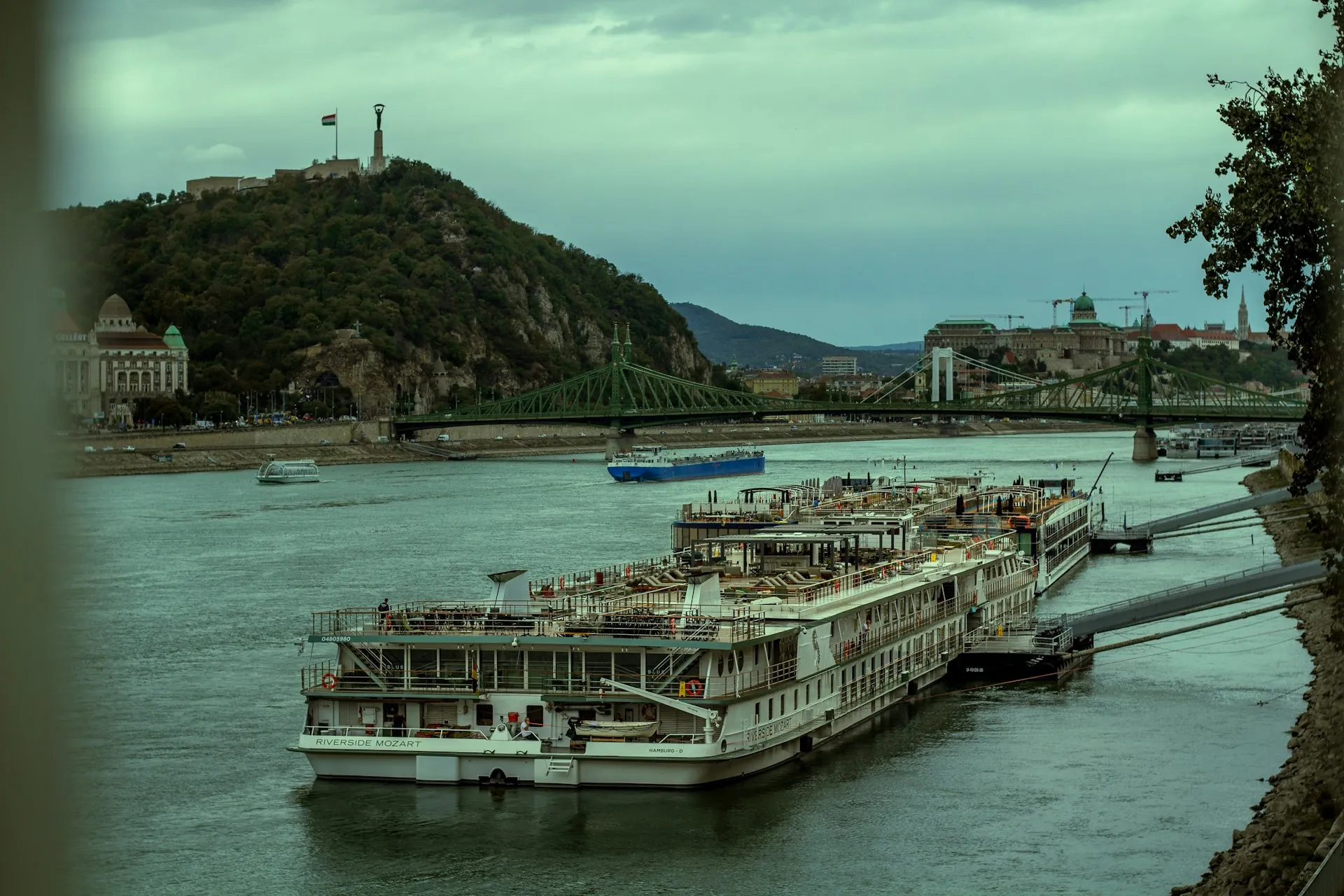
Budapest’s central riverfront is listed as a UNESCO World Heritage Site, which means its bridges, embankments and key buildings are recognized as treasures not just for Hungary, but for the world. This status isn’t a static label; it is a promise to care for a living landscape where trains, trams and cruise ships move through a setting of palaces, churches and monuments. Maintaining that balance requires constant work: restoring facades scarred by time or war, reinforcing embankment walls against erosion and rising water, caring for statues, and making sure new glass and steel developments don’t overwhelm the older silhouettes that give the shoreline its character.
As a visitor on a cruise, you play a small but real role in that preservation. Choosing reputable operators who respect speed limits and noise regulations, avoiding litter, and supporting museums or cultural institutions connected to the river all help keep the Danube’s banks both vibrant and protected. Something as simple as staying on marked paths when you explore the riverfront, or learning a little about the places you see from the boat, contributes to a culture that treats this stretch of the Danube as a shared inheritance. Every vessel that moves thoughtfully along the water proves that heritage and modern life can share the same current without drowning each other out.
Side trips, islands & Danube‑bend horizons
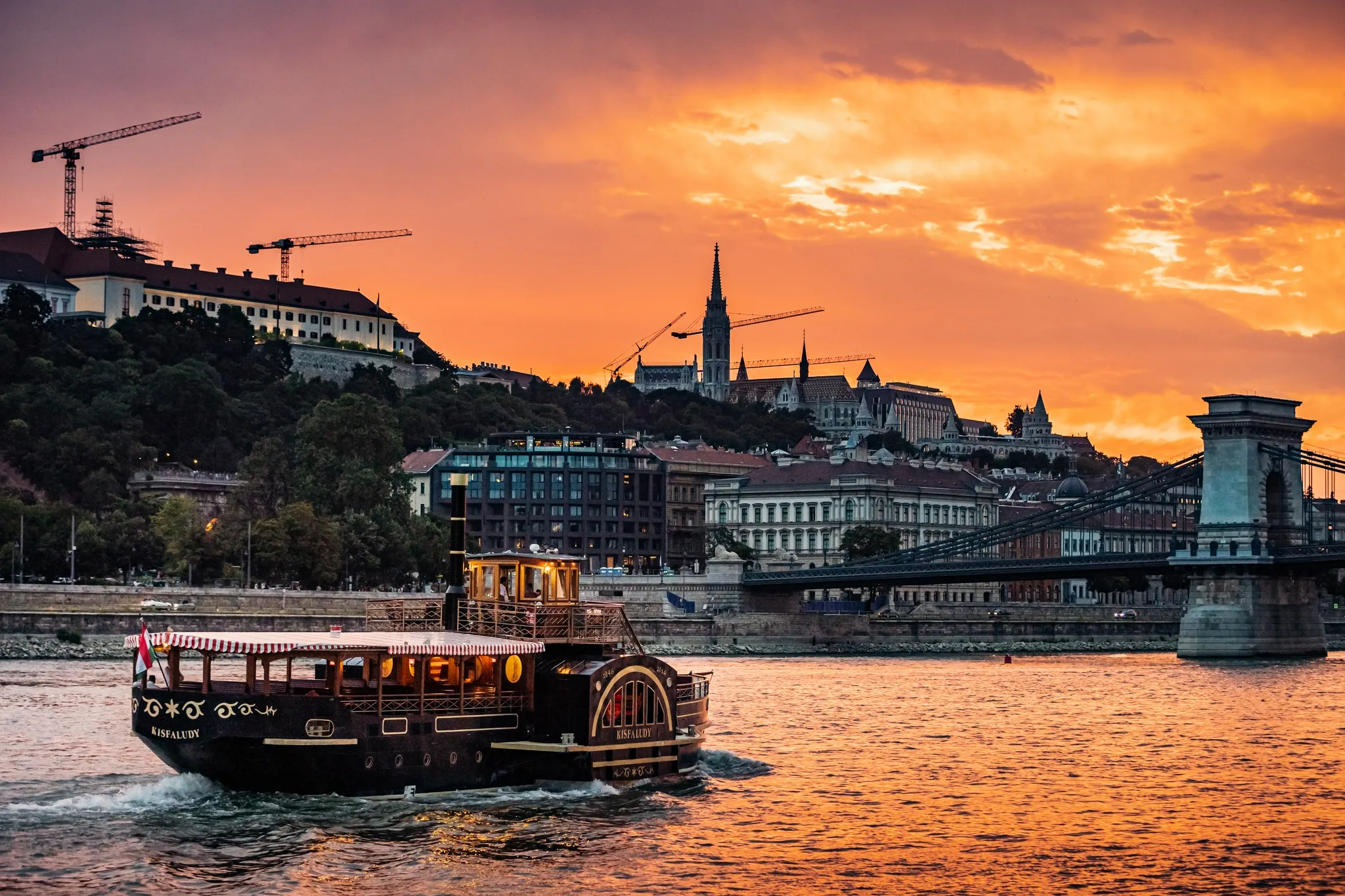
Not all cruises stay strictly within the dense heart of the city. Some include views of Margaret Island, a green oasis in the middle of the river where locals go to jog, picnic, visit small gardens and wander among old trees and playful musical fountains. Others venture further north toward the Danube Bend, where the hills close in and the river curves past castles, monasteries and small towns perched above the water, each bend revealing a slightly different story written in stone towers and red‑tiled roofs.
You might decide to combine a short city cruise with a separate day trip to nearby towns like Szentendre, Visegrád or Esztergom, reachable by seasonal boats and buses. One moment you’re watching the symmetrical façade of Parliament slide by; an hour or two later, you might be looking up at the ruins of a hilltop fortress or stepping into a quiet riverside church. From the deck, as the landscape gradually shifts from urban silhouettes to rolling hills, sandbanks and tree‑lined shores, you understand why the Danube has inspired writers, painters and composers for generations—it offers not just one view, but a whole sequence of horizons unfolding at the pace of the current.
Why a boat ride tells Budapest’s story
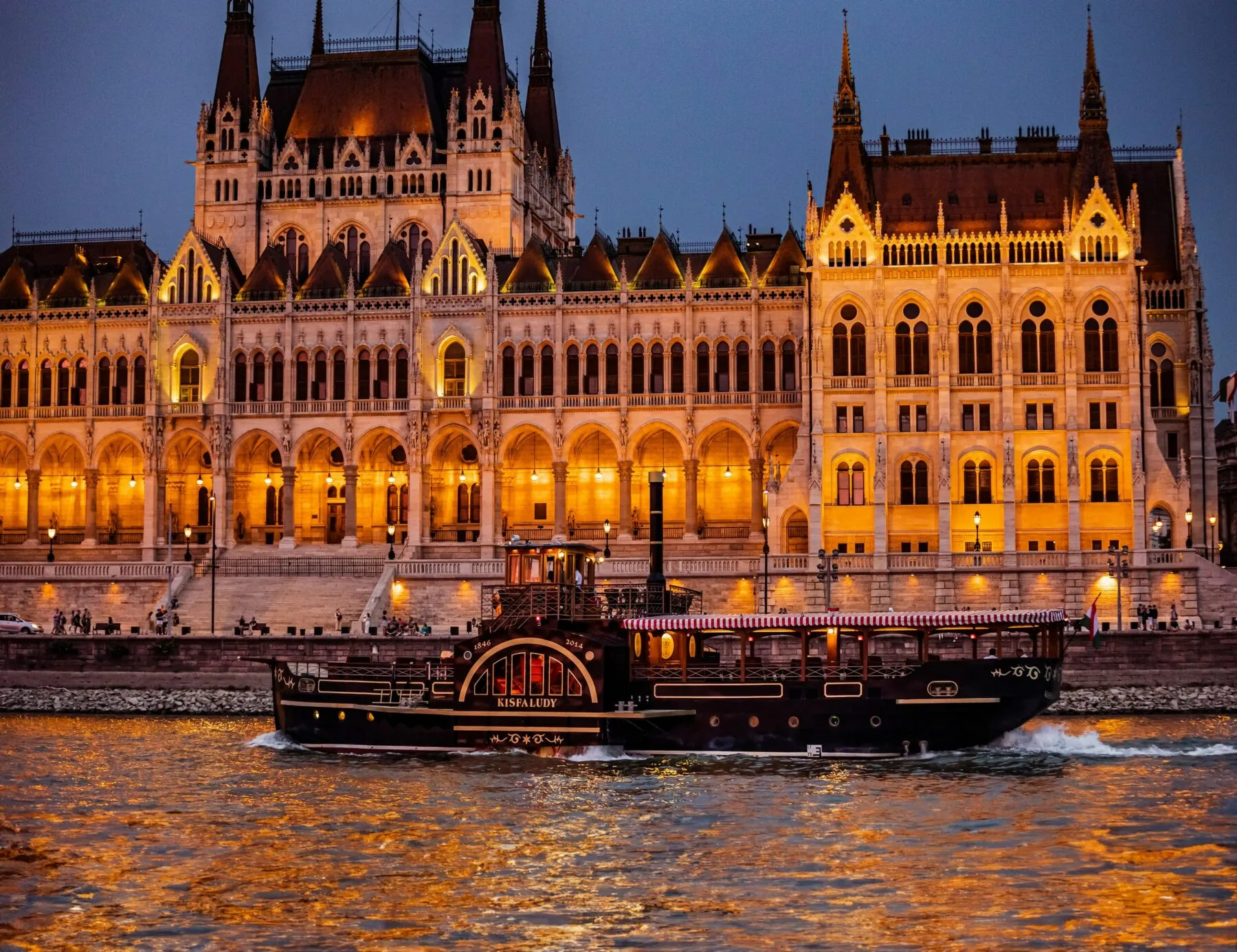
On paper, a Danube cruise is simply a sightseeing activity. In Budapest, it becomes something more like a moving balcony over history and everyday life. One moment you’re gliding past medieval ramparts, the next you’re looking up at 19th‑century mansions or glinting modern hotels. Trams slide along the banks, friends chat on benches, and church bells echo from somewhere above the roofs—all while your boat keeps an unhurried, steady pace.
By the time you step back onto the pier, your mental map of Budapest will be stitched together by these river moments: bridges passing overhead, reflections of castles and Parliament in the water, distant hills and close‑up faces on the promenade. Later, when you walk the same streets on foot, you’ll keep catching glimpses of the Danube between buildings and thinking, ‘I sailed there.’ A simple boat ticket, in other words, can be one of the richest ways to feel how this city and its river belong to each other.
Table of Contents
From Buda and Pest to Budapest
Long before you step onto a cruise boat, the banks you’re about to sail between were home to two separate worlds. On one side of the river rose Buda, with its defensive hills, royal residences and winding cobbled streets that curled protectively around the slopes. On the other stretched Pest, flatter and more open, slowly transforming from flood‑prone fields and modest houses into a buzzing center of trade, crafts and culture. Fishermen launched their boats at dawn, merchants watched the water for arriving barges, and toll collectors and customs officers lined the quays. For centuries, ferries and small wooden boats shuttled people, animals, carts and rumors between these parallel lives, long before iron bridges stitched them together into a single daily commute.
In the 19th century, as the Austro‑Hungarian Empire modernized, engineers, architects and city planners looked at the Danube and saw not a boundary but a backbone waiting to be straightened and framed. Grand avenues were laid out in Pest, new quays were constructed to tame floods and create elegant promenades, and stately townhouses rose where warehouses and muddy banks had stood. In 1873, Buda, Pest and Óbuda were officially joined into one city: Budapest, a name that still carries an echo of those separate identities. Each time your cruise boat rounds a bend and you see both banks at once, you’re looking at this marriage of two characters—hilly and flat, old and new, introspective and bustling—caught in a single reflection on the water, still gently negotiating with each other in the flicker of every wave.
Castle Hill, riverside palaces & royal views
High above the water, Buda Castle has watched the Danube for centuries, its courtyards and wings expanding and contracting like a living organism as rulers, wars and fashions changed. From the deck of your boat, it seems to float above the houses below, linked by funiculars, old stone staircases and winding roads that thread up the hillside. Behind those walls, medieval Hungarian kings once held court and received foreign envoys; later, Habsburg rulers transformed parts of the complex into a Baroque residence meant to signal imperial power. In the 20th century, bombardments and fires tore into the castle yet again, but each restoration—controversial and evolving—has tried in its own way to preserve the fortress’s long, unmistakable outline above the river.
Nearby, the delicate towers of Matthias Church and the arches of Fisherman’s Bastion crown the hill with almost story‑book grace, their pale stone catching the light at every hour of the day. When you see them from the river—especially at night, when they are lit in warm gold against the darker hillside—it’s easy to imagine medieval markets taking place beneath their walls, coronation processions weaving their way through cheering crowds, and watchmen scanning the dark for the lanterns of approaching boats. Today, the main vessels they see are sightseeing cruises and commuter ferries, but the sense of watching over the Danube remains; your ship is just the latest chapter in a very long sequence of arrivals and departures.
Markets, river trade & everyday life on the banks
For centuries, the Danube has been Budapest’s busiest street and its most reliable highway. Long before railways and highways carved lines through the countryside, goods floated along the river: grain and wine from the countryside, timber from the north, salt and spices from far‑off lands brought by merchants who spoke a patchwork of languages. Unloaded at simple jetties or bustling quays, these cargos fed riverside markets that buzzed with traders shouting prices, horses pulling carts, boatmen coiling ropes and the smell of fresh bread, fish and fruit mingling with tar and river mud.
From your boat today, you’ll see echoes of that trading life in the Great Market Hall near Liberty Bridge, whose red‑brick façade and iron roof still shelter stalls piled high with produce, paprika and cured meats. Along the embankments, a steady procession of trams, commuters and delivery vans has replaced ox‑drawn carts, yet the rhythm feels familiar: goods and people moving parallel to the water, always in motion. Modern office towers and hotels now share space with old warehouses and customs houses, many converted into cultural venues, apartments or restaurants. The river has changed its merchandise—from sacks of grain to streams of visitors with cameras and coffee cups—but it remains the artery down which the city’s daily life quietly flows, morning to night.
Bridges that stitched the city together
Floating under Budapest’s bridges, you’re passing beneath some of the most symbolic pieces of engineering in Central Europe. The Chain Bridge, completed in 1849 after years of debate and daring construction, was the first permanent bridge to link Buda and Pest. Its chains, stone lions and broad roadway transformed winter crossings from risky ice floes and temporary pontoon bridges into a year‑round connection. The bridge did more than shorten journeys; it helped turn two riverside towns into a single, growing metropolis, and quickly became a visual shorthand for the city itself.
Later bridges each added their own character and story: Margaret Bridge curving gently toward the green stillness of Margaret Island; Liberty Bridge with its green iron lattice, playful decoration and mythic turul birds perched on top; Elizabeth Bridge stretching in an elegant white arc, a modern line against the older skyline. All were destroyed during World War II, when retreating forces blew them up and the city was suddenly forced back to ferries and temporary crossings. In the years that followed, engineers and workers painstakingly rebuilt span after span, often using fragments of the old structures as foundations for the new. When your cruise boat glides beneath them today, it passes under both 19th‑century ambition and 20th‑century resilience, woven together in steel, stone and memory.
Parliament, embankments & a new capital
Perhaps the most striking sight on a Danube cruise is the Hungarian Parliament Building, its forest of spires and arches mirrored almost perfectly in the river below when the water is calm. Completed at the dawn of the 20th century after a grand architectural competition, this neo‑Gothic palace was built as a statement carved in stone: that Budapest was not just a provincial town, but a modern capital worthy of standing alongside Vienna and other European centers. Its interior corridors, stained glass windows and grand staircase speak of a time when politics was also theatre, and the riverfront façade remains the grand stage set facing the water.
The riverfront embankments around it, lined with stone walls, steps and promenades, were part of a vast modernization project that both protected the city from floods and reimagined the Danube as a place for leisure, not just labor. Today, joggers trace their routes along these paths, couples lean on the railings to watch the current, families pause with ice creams and office workers take their lunch breaks on benches overlooking the water. From your boat, the scene can look almost theatrical: Parliament as the luminous backdrop, bridges as stage wings, and everyday life playing out in hundreds of small, unscripted moments along the banks.
Thermal waters, spas & café culture
Budapest’s story is not only written in stone and politics, but in water. Deep beneath the ground, hot springs rise and feed the famous thermal baths that have drawn visitors for centuries, from Roman soldiers in ancient Aquincum to Ottoman officials in steam‑filled domes and 19th‑century citizens seeking both cures and conversation. As your boat sails past Gellért Hill, you might spot the elegant façade of the Gellért Baths, whose Art Nouveau details hide a series of pools and saunas where everyone from local residents to travelers stepping off long train journeys have soaked, floated and swapped stories.
On the Pest side, grand cafés grew up along nearby boulevards, where writers, architects, journalists and students once debated ideas over strong coffee, newspaper columns and delicate cakes that became famous in their own right. Although many interiors and names have changed with the times, the city’s habit of lingering over a drink while watching the river has survived every political era. In a way, your cruise is a floating version of that ritual: a chance to sit, sip and let Budapest’s details reveal themselves slowly, one bend in the river at a time, without needing to hurry anywhere else.
Wars, revolutions & a river that remembers
The Danube you see today is calm, but it has witnessed turbulent decades and sudden violence. In the 20th century, Budapest endured two world wars, shifting borders, occupations and a revolution. Bridges were blown up, buildings shelled and river traffic disrupted as front lines moved back and forth and regimes changed. In 1956, during the Hungarian Uprising against Soviet‑backed rule, some of the fiercest clashes took place near the river and its key intersections, where protesters, tanks and makeshift barricades briefly reshaped the city’s streets and silence fell only when gunfire did.
Much of that damage has been repaired or rebuilt, and new generations have grown up knowing the Danube more as a backdrop for festivals than as a strategic corridor. Yet the river still holds the memory in subtle ways. When your boat drifts past certain stretches of embankment, it floats over spots where improvised ferries once evacuated civilians, where soldiers crossed under darkness, or where families watched anxiously for news from the other side. Today, the loudest sounds are tour guide microphones, camera shutters and the soft clink of glasses on dinner cruises, but the knowledge that this same water once reflected burning buildings and searchlights adds a quiet depth to the glittering surface.
Memorials, shoes & silent stories by the water
One of the most moving sites along the Danube in Budapest is the Shoes on the Danube Bank memorial, a line of cast‑iron shoes set on the edge of the embankment near Parliament. They represent the real shoes that victims were forced to remove before being shot into the river during the darkest days of World War II, when members of the Arrow Cross militia turned the Danube into a silent execution ground. Men, women and children stood facing the water in their final moments, and the river carried their bodies away.
While your cruise may not pause directly in front of the memorial, knowing it is there changes how you look at this stretch of water. From the boat, you may glimpse people standing quietly by the rails, placing pebbles, flowers or small candles among the shoes, or simply bowing their heads for a moment. It’s a reminder that the river, for all its beauty, is also a witness and, in some ways, a grave. Enjoying the view does not erase what happened here—but by acknowledging it, reading a plaque, or later walking back to visit in person, visitors become part of a long chain of remembrance that helps keep these stories alive.
Festivals, lights & nightly rituals on the Danube
Depending on when you visit, your boat may share the river with everything from quiet private yachts to music ships, party boats and festival barges. In summer, open‑air concerts, national holidays and cultural events often spill down to the embankments, where stages, food stalls and light installations transform the waterfront into a continuous celebration that you can observe in one slow, sweeping glance from the deck.
Even on ordinary evenings with no major event, there is a gentle ritual to the riverfront: locals taking slow walks after dinner, couples pausing on bridges to watch the current, groups of friends sitting on the steps with takeaway drinks, and joggers pacing themselves by the rhythm of the streetlamps reflected in the water. You might glimpse someone quietly fishing from the bank while, a little further along, children cycle in circles around their parents. Your cruise sails through this shared nightly rhythm, letting you witness it from a slightly removed, almost dream‑like vantage point, as if the city were putting on a casual dress rehearsal just for you.
Tickets, passes & planning your cruise
With so many operators and departure times, planning your Danube cruise can feel like browsing an unexpectedly rich menu, where every option sounds tempting in a slightly different way. Some tickets are simple: one fixed‑time sightseeing loop with an optional welcome drink and recorded commentary. Others bundle in extras such as live folk music, multi‑course meals, wine or craft‑beer tastings, dessert buffets, or guaranteed window seating. Taking a few quiet minutes to read through the small print—what’s included, how long you’ll be on board, where the pier is—pays off later when you can relax knowing there will be no surprises except the good ones.
If you have only a short time in Budapest, you might lean toward a compact one‑hour cruise that fits neatly between other plans and still gives you a full panorama of the main sights. If you’re staying longer, a leisurely dinner sailing, a late‑night lights cruise or a combined river‑and‑city tour can turn an ordinary evening into the centerpiece of your whole trip. Whichever you choose, think about the time of year, sunset hours, your own energy levels and whether you prefer quiet observation or a livelier atmosphere with music. Planning ahead means you can arrive at the pier unhurried, ticket ready, with enough time to find a good spot and let anticipation build as the boat gently pulls away from the dock.
Preserving the riverfront for future generations
Budapest’s central riverfront is listed as a UNESCO World Heritage Site, which means its bridges, embankments and key buildings are recognized as treasures not just for Hungary, but for the world. This status isn’t a static label; it is a promise to care for a living landscape where trains, trams and cruise ships move through a setting of palaces, churches and monuments. Maintaining that balance requires constant work: restoring facades scarred by time or war, reinforcing embankment walls against erosion and rising water, caring for statues, and making sure new glass and steel developments don’t overwhelm the older silhouettes that give the shoreline its character.
As a visitor on a cruise, you play a small but real role in that preservation. Choosing reputable operators who respect speed limits and noise regulations, avoiding litter, and supporting museums or cultural institutions connected to the river all help keep the Danube’s banks both vibrant and protected. Something as simple as staying on marked paths when you explore the riverfront, or learning a little about the places you see from the boat, contributes to a culture that treats this stretch of the Danube as a shared inheritance. Every vessel that moves thoughtfully along the water proves that heritage and modern life can share the same current without drowning each other out.
Side trips, islands & Danube‑bend horizons
Not all cruises stay strictly within the dense heart of the city. Some include views of Margaret Island, a green oasis in the middle of the river where locals go to jog, picnic, visit small gardens and wander among old trees and playful musical fountains. Others venture further north toward the Danube Bend, where the hills close in and the river curves past castles, monasteries and small towns perched above the water, each bend revealing a slightly different story written in stone towers and red‑tiled roofs.
You might decide to combine a short city cruise with a separate day trip to nearby towns like Szentendre, Visegrád or Esztergom, reachable by seasonal boats and buses. One moment you’re watching the symmetrical façade of Parliament slide by; an hour or two later, you might be looking up at the ruins of a hilltop fortress or stepping into a quiet riverside church. From the deck, as the landscape gradually shifts from urban silhouettes to rolling hills, sandbanks and tree‑lined shores, you understand why the Danube has inspired writers, painters and composers for generations—it offers not just one view, but a whole sequence of horizons unfolding at the pace of the current.
Why a boat ride tells Budapest’s story
On paper, a Danube cruise is simply a sightseeing activity. In Budapest, it becomes something more like a moving balcony over history and everyday life. One moment you’re gliding past medieval ramparts, the next you’re looking up at 19th‑century mansions or glinting modern hotels. Trams slide along the banks, friends chat on benches, and church bells echo from somewhere above the roofs—all while your boat keeps an unhurried, steady pace.
By the time you step back onto the pier, your mental map of Budapest will be stitched together by these river moments: bridges passing overhead, reflections of castles and Parliament in the water, distant hills and close‑up faces on the promenade. Later, when you walk the same streets on foot, you’ll keep catching glimpses of the Danube between buildings and thinking, ‘I sailed there.’ A simple boat ticket, in other words, can be one of the richest ways to feel how this city and its river belong to each other.